Why More Cutlery Makers Choose Automatic Polishing And Cleaning
A quick overview of the topics covered in this article.
Manual polishing and cleaning used to be the norm. But that’s no longer the case. As labour costs rise and quality expectations grow, cutlery manufacturers face more pressure. They must work faster, keep quality consistent, and rely on fewer workers. That’s why more makers are turning to automatic polishing and cleaning machines.
Automatic polishing and cleaning machines reduce the need for manual work. They make the surface finish more even. They also work faster and improve product quality. For manufacturers aiming to stay competitive, they’re becoming an essential investment.
Is automation the right choice? Let’s look at why so many companies are making the switch.
Why is manual polishing no longer efficient?
Manual polishing is slow, inconsistent, and keeps driving up costs. It relies a lot on the operator’s skill. Even experienced workers may get different results each time. As demand for stainless steel cutlery grows, this unpredictability becomes a significant bottleneck.
More importantly, manual processes are not scalable. In major manufacturing countries, labour is getting more expensive. Keeping polishers on staff is no longer cost-effective. This inefficiency creates production delays, quality issues, and customer complaints.
How does automatic polishing improve product consistency?
A consistent finish is critical for appearance and hygiene in stainless steel cutlery. Automatic polishing machines keep the same pressure, speed, and angle. This process gives every item a smooth, flawless finish.
Programmed settings cut human error, especially in high-volume production. Whether it’s teaspoons or large serving spoons, automation delivers consistent results. Each batch meets the same standard. This boosts customer satisfaction and strengthens your brand’s quality image.
What cost savings can automatic machines bring in the long run?
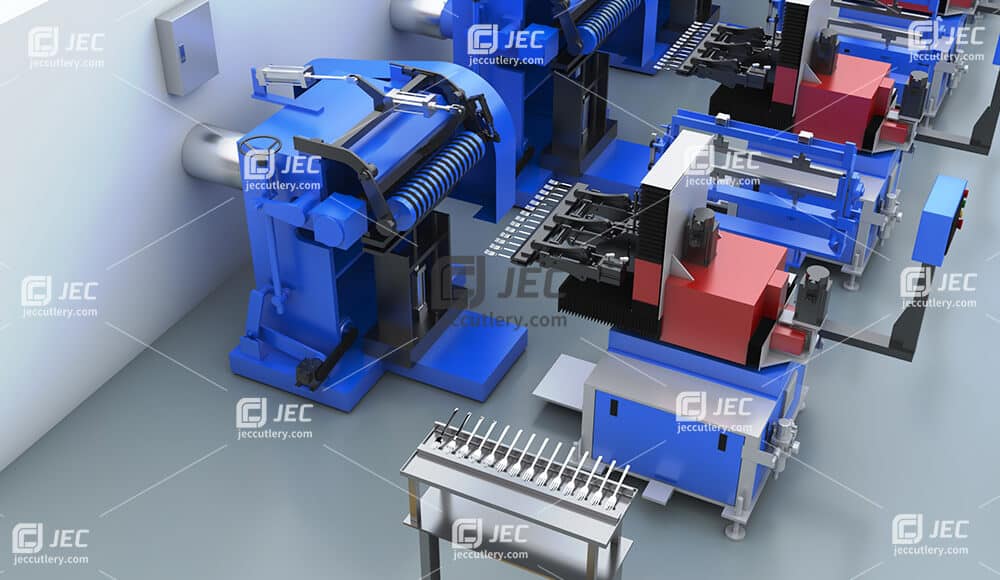
The initial investment may seem high. Automatic polishing and cleaning systems reduce operating costs and deliver long-term efficiency gains. First, they reduce the number of workers needed per shift. One trained operator can often supervise many machines at once.
Second, automation minimizes product rework and scrap. When surface finish is more precise and controlled, fewer items fail quality checks. This cuts down material waste and warranty claims. These machines save energy. They last for years. Investing in them keeps your operations efficient and cost-effective.
What other hidden benefits do automatic polishing and cleaning machines offer?
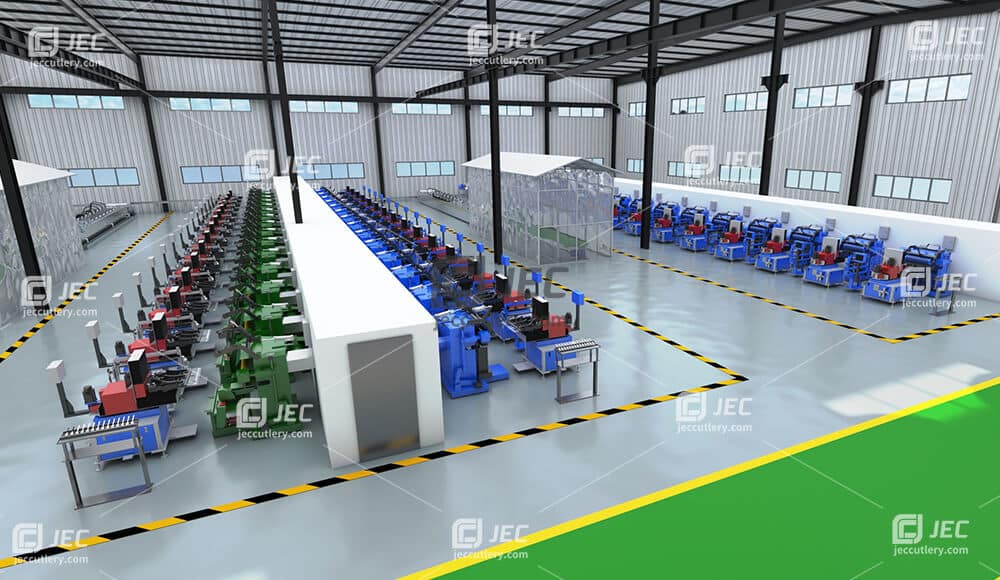
Automation delivers speed, savings, and more. Modern automatic systems have built-in dust and waste collectors. They help keep the air clean and the workshop tidy. This creates a safer, more pleasant environment for employees.
Also, automation reduces repetitive strain injuries among workers, lowering health risks and absenteeism. Some systems come with smart sensors. They notice problems before they get serious. This keeps your machines running without delays.
Are automatic polishing and cleaning machines customizable for different cutlery shapes?
Absolutely. A significant advantage of modern systems is complete customization. At JEC Cutlery Equipment, we design machines to fit your needs. They can match your cutlery products’ shapes, sizes, and finishing requirements.
You can adjust brush heads, conveyor speeds, spray nozzles, and pressure settings. This makes processing anything from slim dessert forks to large ladles easy. This flexibility is ideal for factories. It helps them make many cutlery lines, even on tight schedules.
In conclusion, automatic polishing and cleaning machines transform how manufacturers make stainless steel cutlery. They provide more consistent results, lower labour costs, and improved safety. These machines are now essential for manufacturers. They help factories grow faster and stay competitive.
A quick overview of the topics covered in this article.